Room-by-Room Lighting Planner

Expert guidance for optimal illumination in every space

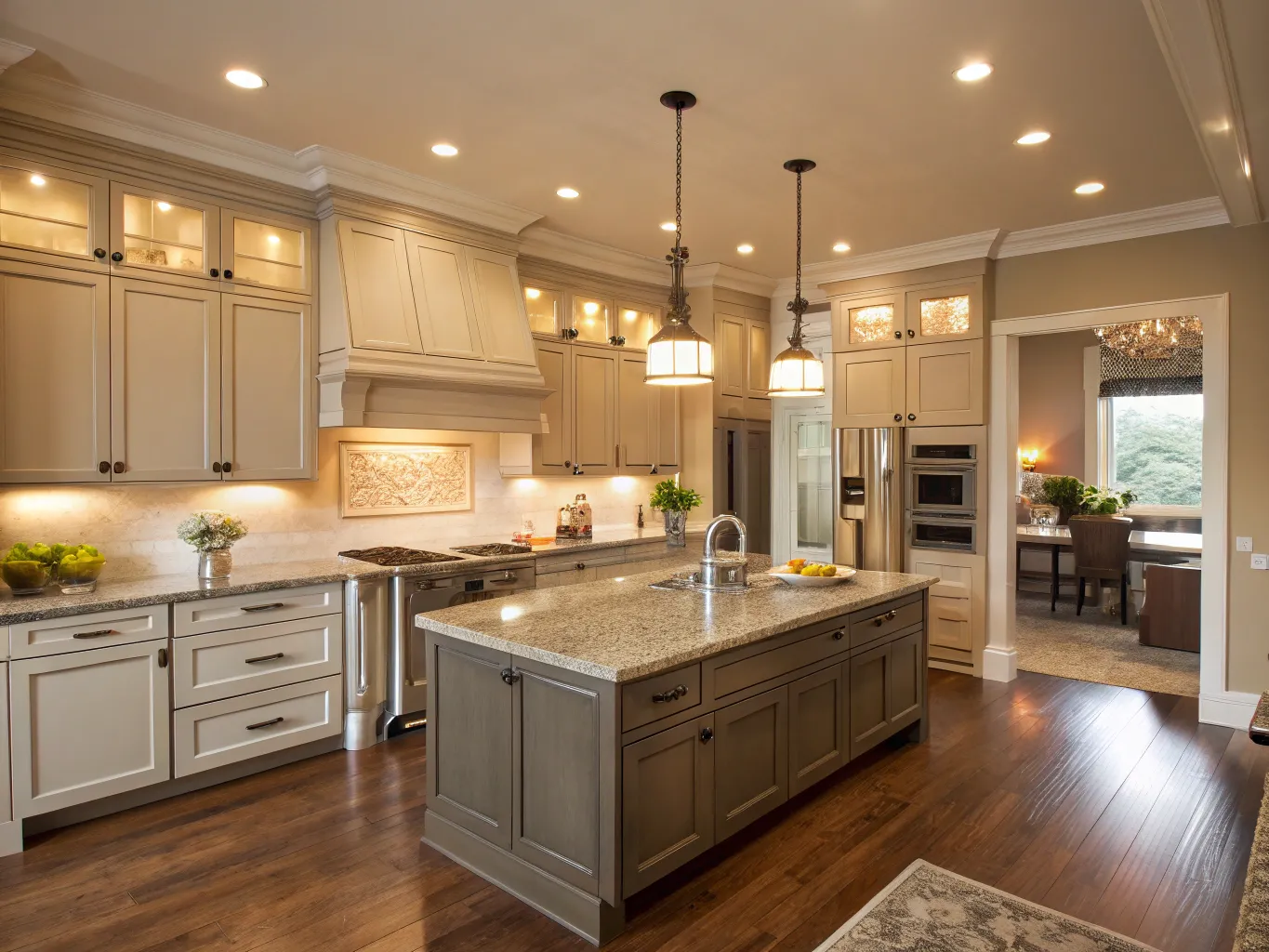
Well-designed kitchen with layered lighting

Kitchen & Dining Areas

Effective kitchen lighting combines task, ambient, and accent illumination. Pendant lights positioned over islands provide focused task lighting for food preparation. Under-cabinet LED strips eliminate shadows on countertops, while recessed ceiling fixtures offer general ambient light.

Dining areas benefit from a central chandelier or pendant that creates a focal point above the table. Dimmable controls allow you to adjust brightness for different occasions, from bright meal preparation to intimate dining experiences.
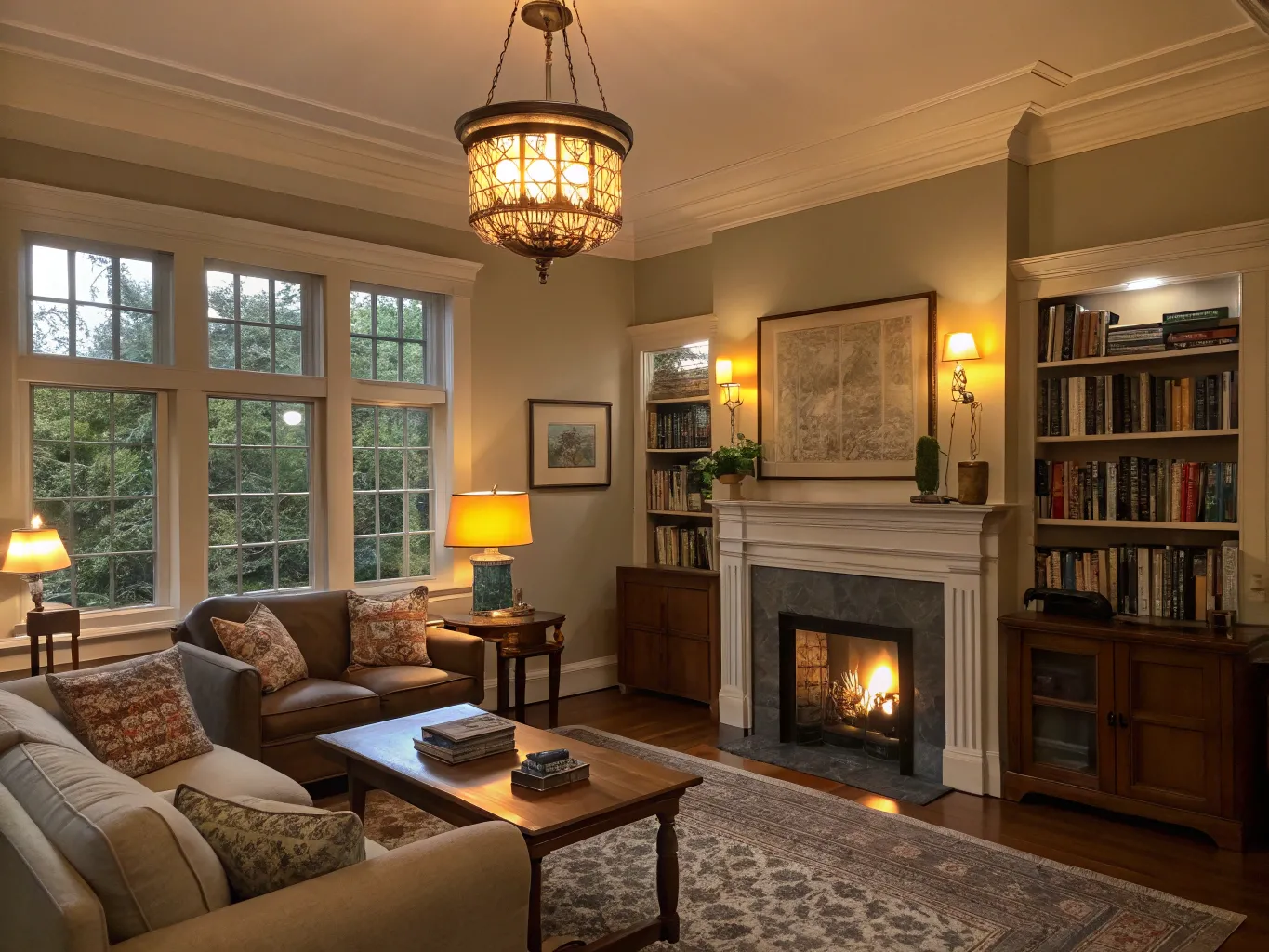
Living room with multiple light sources

Living & Entertainment Spaces

Create versatile lighting scenes that adapt to different activities. Floor lamps positioned near seating areas provide reading light, while table lamps add warmth and intimacy. Wall sconces can highlight artwork or architectural features without taking up floor space.

Consider installing dimmer switches throughout to control ambiance. A combination of overhead fixtures, accent lighting, and portable lamps gives you flexibility to create the perfect mood for relaxation, entertaining, or focused activities.

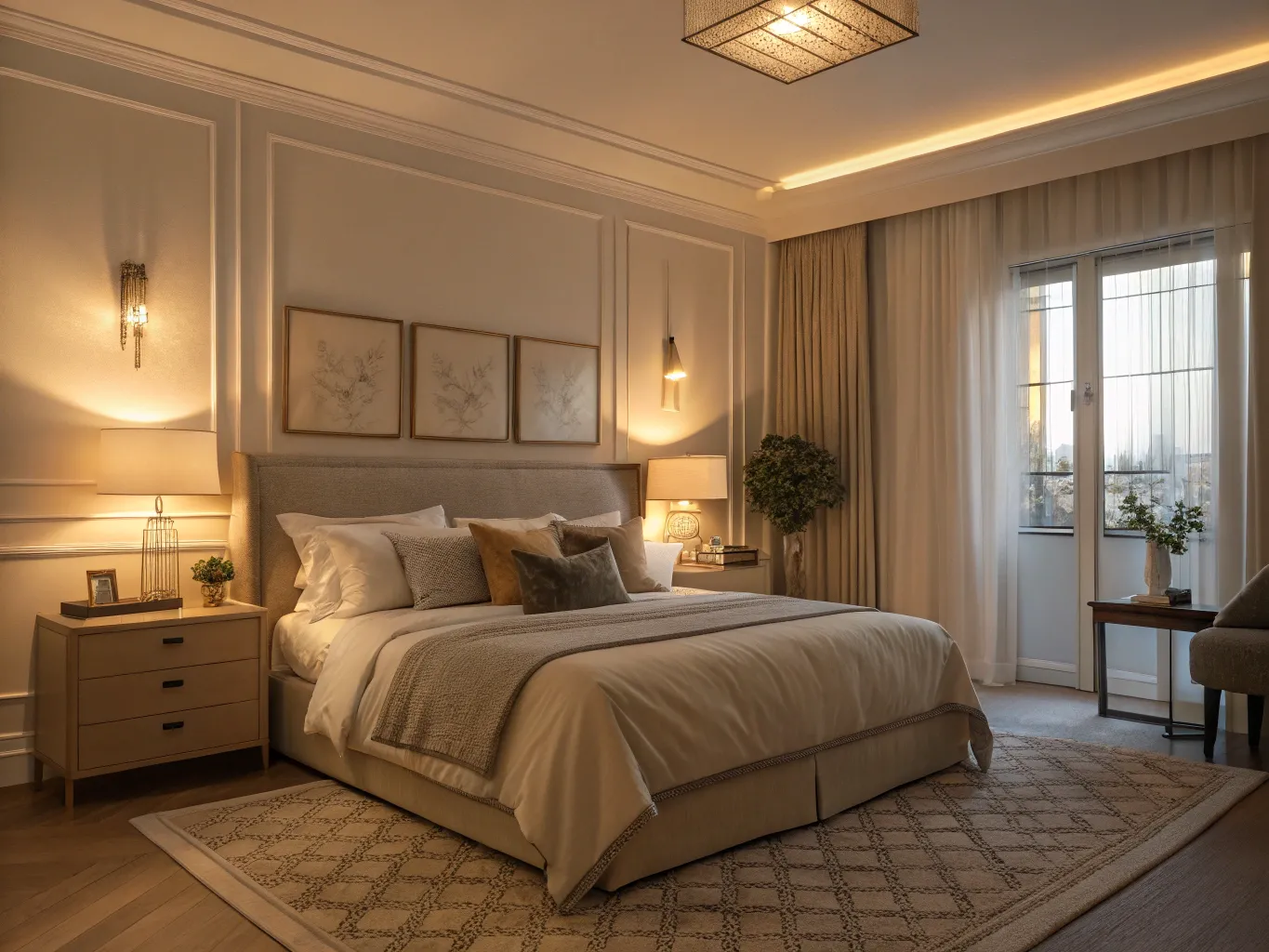
Bedroom with soft ambient lighting

Bedrooms & Private Spaces

Bedroom lighting should support both relaxation and practical tasks. Bedside table lamps with warm-toned bulbs create a calming atmosphere for evening reading. Overhead fixtures with dimmers provide general illumination when needed, while avoiding harsh direct light.

Consider wall-mounted reading lights that don't occupy nightstand space. Dressing areas benefit from natural-spectrum lighting near mirrors, while closets require bright, even illumination for visibility. Layered lighting allows you to adjust brightness throughout the day.

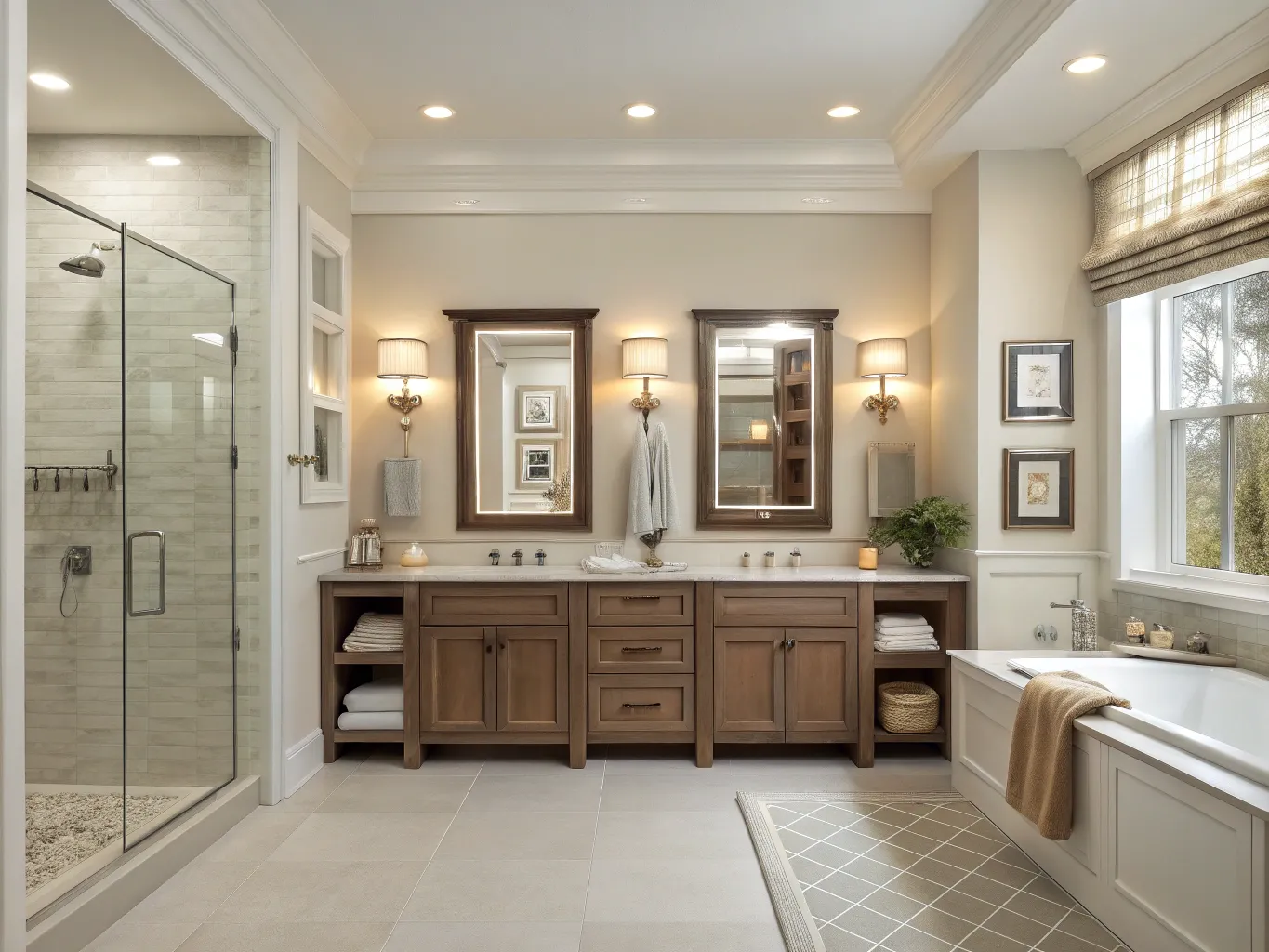
Bathroom with well-placed task lighting

Bathrooms & Utility Areas

Bathroom lighting must balance functionality with aesthetics. Vanity lighting positioned at eye level on both sides of the mirror eliminates shadows on the face. Overhead fixtures provide general illumination, while accent lighting can highlight architectural features or create ambiance.

Utility areas like laundry rooms and mudrooms require bright, even lighting for practical tasks. Consider LED fixtures that provide excellent color rendering for sorting and organizing. Waterproof fixtures are essential in wet areas, ensuring safety and durability.

Lighting Layers Explained

The foundation layer that provides overall illumination. This includes ceiling fixtures, recessed lights, and chandeliers that establish the base light level in a room.

Ambient lighting should be soft and diffused, creating a comfortable environment without harsh shadows.

Focused illumination for specific activities like reading, cooking, or working. Task lighting should be bright enough to prevent eye strain while avoiding glare.

  • Desk lamps for reading and working
  • Under-cabinet strips for kitchen tasks
  • Pendant lights over work surfaces
  • Adjustable floor lamps for flexibility

Decorative lighting that highlights architectural features, artwork, or design elements. Accent lighting adds depth and visual interest, creating focal points and enhancing the overall aesthetic.

Track lighting, wall sconces, and picture lights serve this purpose effectively.

Additional Room Considerations

Home Offices and Workspaces

Effective office lighting reduces eye strain and supports productivity. Combine overhead ambient lighting with focused task lighting at your desk. Position task lights to avoid screen glare while providing adequate illumination for reading and writing.

Natural light is ideal when available, but supplement with artificial lighting that maintains consistent brightness throughout the day. Consider adjustable fixtures that allow you to control intensity based on your tasks and time of day.

Entryways and Foyers

Entry lighting creates first impressions and provides safe navigation. A statement fixture can establish your home's design theme, while practical considerations include adequate illumination for finding keys, removing coats, and greeting guests.

Consider the scale of your entryway when selecting fixtures. Grand foyers can accommodate dramatic chandeliers, while smaller entries benefit from appropriately sized pendants or flush-mount fixtures. Wall sconces can provide additional ambient lighting without taking up floor space.

Outdoor and Patio Spaces

Outdoor lighting extends your living space and enhances safety. Weather-resistant fixtures are essential, rated for appropriate exposure levels. Consider path lighting, wall-mounted fixtures, and overhead options for covered patios.

Outdoor lighting should complement your home's architecture while providing functional illumination for evening activities. Dimmable options allow you to adjust brightness for different occasions, from intimate gatherings to larger social events.

Hallways and Transitional Spaces

Hallways require consistent, even lighting to prevent dark spots and ensure safe navigation. Recessed lighting or flush-mount fixtures work well for low ceilings, while higher ceilings can accommodate semi-flush or pendant fixtures.

Consider the length and width of your hallways when planning fixture placement. Longer hallways may need multiple fixtures to maintain consistent illumination. Wall sconces can add visual interest while providing additional light sources.

Creating Lighting Scenes and Controls

Modern lighting control systems allow you to create preset scenes for different activities and times of day. These systems can adjust multiple fixtures simultaneously, creating the perfect ambiance with a single command.

Common scenes might include "Morning" with bright, energizing light, "Evening" with warm, relaxing illumination, "Entertaining" with accent lighting that highlights architectural features, and "Night" with minimal lighting for navigation.

Dimmer switches are fundamental to scene creation, allowing you to adjust brightness levels. Smart controls add convenience through scheduling, remote access, and integration with other home automation systems. We can help you understand which control options best suit your needs and technical comfort level.

Plan Your Perfect Lighting

Our experts can help you create a comprehensive lighting plan tailored to your home's unique layout and your lifestyle needs.

Schedule a Consultation